Work Canada
Work in Canada – Work Permits & Employment Opportunities
Canada offers a wide range of work permit pathways for skilled professionals, graduates, and international workers. Depending on the job offer, occupation, and personal profile, foreign nationals may qualify for an open work permit or an employer-specific (closed) work permit.
This page provides a comprehensive overview of Canada’s work permit categories, eligibility criteria, application process, Francophone mobility options, and pathways to permanent residence.

Types of Work Permits in Canada
Open Work Permits
Common Open Work Permit Categories
- Post-Graduation Work Permit (PGWP)
- Spousal Open Work Permit (students or workers)
- Bridging Open Work Permit (BOWP)
- International Experience Canada (IEC)
- Humanitarian & public policy–based permits
- Open Work Permit for Vulnerable Workers

Employer-Specific (Closed) Work Permits
LMIA-Based Work Permits
Common LMIA Streams
- High-Wage Stream
- Low-Wage Stream
- Global Talent Stream
- Seasonal Agricultural Worker Program
LMIA-Exempt Work Permits
Key LMIA-Exempt Categories
- Intra-Company Transfer (ICT)
- CUSMA (Canada–US–Mexico Agreement)
- Francophone Mobility Program
- Significant Benefit categories
- Research, academic & reciprocal agreements
Francophone Mobility & French-Speaking Workers
Canada actively promotes the entry of French-speaking foreign nationals outside Quebec through the Francophone Mobility Program. This LMIA-exempt pathway allows eligible French-speaking workers to work in Canada without an LMIA, supporting Canada’s bilingual workforce strategy.
Francophone Mobility Program
- LMIA-exempt employer-specific work permit
- Requires intermediate French language proficiency
- Available for most skilled occupations (TEER 0–5)
- Employer compliance still required, but no LMIA process
Other French-Language Work Pathways
- French-speaking skilled worker recruitment initiatives
- French-language education and healthcare roles
- Transition pathways to Francophone-focused PR streams
Eligibility Requirements (General)
- Valid job offer (if required)
- Employer compliance (LMIA or exemption)
- Relevant education and work experience
- Language proficiency (English or French)
- Medical and police clearance (if applicable)

How to Apply for a Canada Work Permit
1. Identify appropriate work permit category
2. Secure job offer and LMIA or exemption
3. Prepare documentation
4. Submit online application
5. Biometrics and medical examination
6. Receive approval and travel to Canada

Work Permit Processing Time
Processing times vary depending on the type of work permit, country of application, and volume of applications.
Working in Canada – Rights & Compliance
Temporary foreign workers in Canada are protected by employment standards and must comply with permit conditions, including working only for authorized employers and roles. Employers are subject to compliance inspections under IRCC regulations.
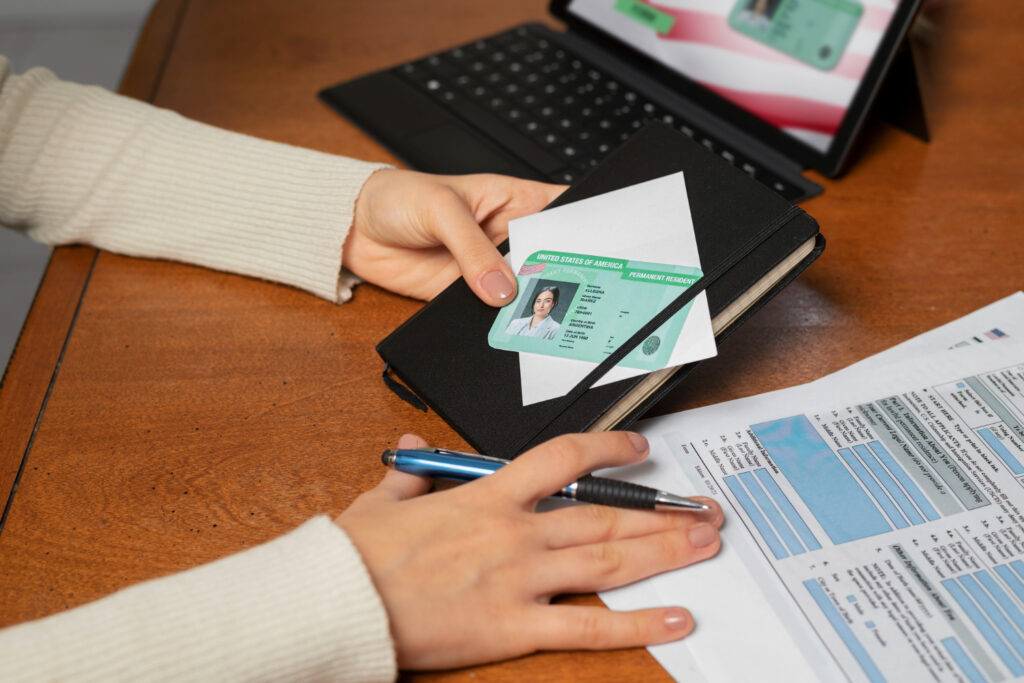
From Work Permit to Permanent Residence
- Express Entry (Canadian Experience Class)
- Provincial Nominee Programs (PNP)
- Francophone-focused PR streams
- Employer-supported PR pathways
Working While Studying in Canada
- French-speaking skilled worker recruitment initiatives
- French-language education and healthcare roles
- Transition pathways to Francophone-focused PR streams